


Approximately 80% of medications in North America are made from imported materials. Complex supply chains can mean that materials and product can go through 10-20 parties before ever reaching the consumer. As a pharmaceutical brand, it becomes highly critical to analyze for problems related to dosage, dissolution, and the presence of contaminants and carcinogens prior to, and during manufacturing.
At Canadian Analytical Laboratories, our goal is to help you ensure your products meet safety and quality standards in the medications your deliver to consumers. For instance, Near-infrared Spectroscopy (NIR) testing can quickly and cost-effectively help accelerate your formulation development, support manufacturing and product release by reducing analysis time.
NIR Testing Benefits
NIR offers the benefits of non-destructive testing and no requirements for sample preparation. This allows you for instance to quickly detect counterfeit and/or contamination of raw materials, and through failure analysis by providing advanced warning of out-of-specification materials. Specific benefits include:
- Authentication, Identification, Qualification of Raw Materials
- Conformity testing
- Composition analysis
- Process control
- Degradation monitoring
Product Types Tested (Non-Sterile and Sterile)
Non-Sterile
- Tablets
- Capsules
- Powders (raw materials)
- Granular solids
- Liquids and semi-solids
Sterile:
- Area Grade A, B, C, D
- Water System (WFI – Water for Injection, PW-Purified Water, PSW-Pure Steam)
- Injectables
- Vaccines
Analytical Testing Services:
- Raw materials Characterization (API and Excipients)
- Hardness and Dissolution Properties
- Verification of identity and quality of production materials or packaging
- Contamination studies and production troubleshooting
- QA / QC – uniformity and active concentration (for tablets)
- Moisture content
- Measurement of hardness and coating thickness
- Stability stabilities
Please contact our experts to further discuss your specific requirements.
Recent Posts
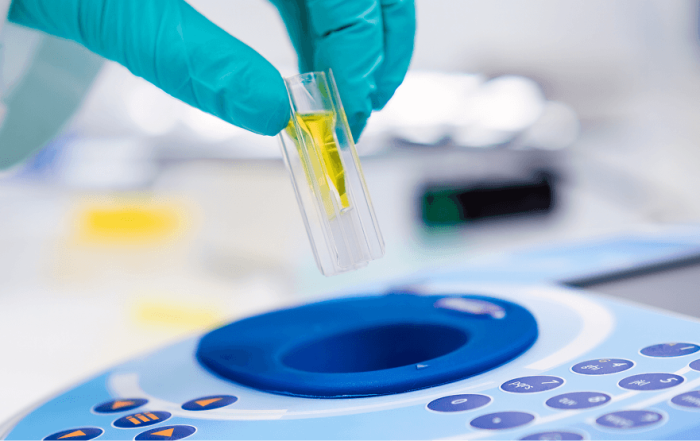
Why Near-Infrared Spectroscopy Is Reshaping Pharmaceutical Quality
Pharmaceutical quality control has long relied on a reactive model: test a batch, compare results to specifications, and release the Go to Article
The Essential Elements of a Stability Program for Pharmaceuticals: A Comprehensive Guide Using ICH Guidelines and ISO Standards
Stability programs are critical for ensuring the safety, efficacy, and quality of pharmaceutical, food, and cosmetic products throughout their Go to Article

The Importance of USP 661.1 and USP 661.2 in Pharmaceutical Manufacturing and Packaging Compliance
In the pharmaceutical industry, ensuring the safety, efficacy, and quality of products is of paramount importance. One key aspect Go to Article